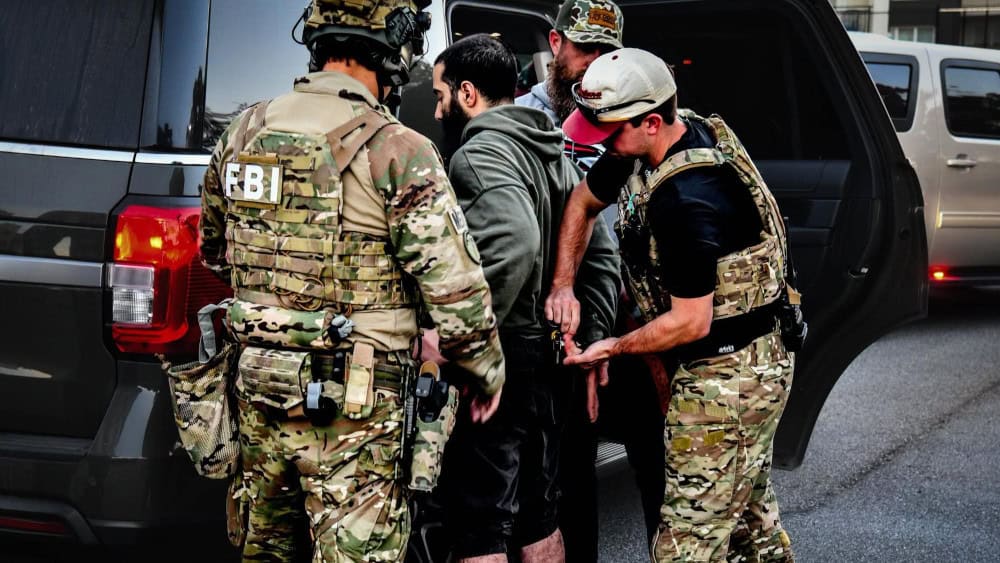
On 18 November, the FBI arrested Younes Moustafa Younes, 34, of Lavonia, Georgia, following an investigation into alleged financial support for individuals affiliated with the Islamic State. Younes is charged with international money laundering and destruction of evidence; each charge carries a maximum of 20 years in prison.
According to court documents, in 2020, the FBI identified Younes accessing Islamic State propaganda, leading to a law enforcement interview. Younes admitted to viewing Islamic State propaganda but denied supporting radical Islam, instead claiming he was researching current events.
Between December 2021 and April 2022, Younes allegedly sent approximately $9,200 in cryptocurrency to a fundraising campaign supporting Islamic State fighters’ wives and families.
In September 2022, Younes traveled to Turkey, ostensibly for tourism, but remained in Turkey for more than two years, married a Turkish woman, and had a child. During his time in Turkey, he allegedly shared extremist propaganda, including lectures by now-deceased Al Qaeda figure Anwar al Awlaki.
In February 2025, Turkish authorities arrested Younes and reportedly assigned him a G87 security designation, which is used for individuals considered security threats, including those suspected of Islamic State links. Three months later, in May, Turkey deported Younes to the United States, and he moved in with relatives in New Jersey.
After a July 2025 FBI search of his New Jersey residence, investigators found messages on Younes’s phone expressing support for Awlaki’s views. Younes subsequently moved to Lavonia, Georgia, where he allegedly transferred $16,807 to individuals linked to the Islamic State through 11 Bitcoin ATM transactions between December 2025 and June 2026.
The FBI identified Younes interacting with individuals previously convicted of concealing financial transactions involving Awlaki during surveillance between March and April 2026.
In a recorded conversation with an FBI confidential human source in June 2026, Younes acknowledged financially supporting families of Islamic State fighters and discussed how he used cryptocurrency to transfer money internationally.
The FBI continued its investigation between June and Younes’s arrest in November, obtaining bank and cryptocurrency records through grand jury subpoenas, identifying phone numbers he allegedly used to conceal his identity, and communicating with him through a confidential source via WhatsApp and in-person meetings.
On November 18, the FBI executed search warrants at Younes’s Georgia residence and discovered cellphones submerged in liquid and shredded documents soaked in water. He was arrested the same day.
The arrest marks the 10th Islamic State-linked case or incident in the United States this year.